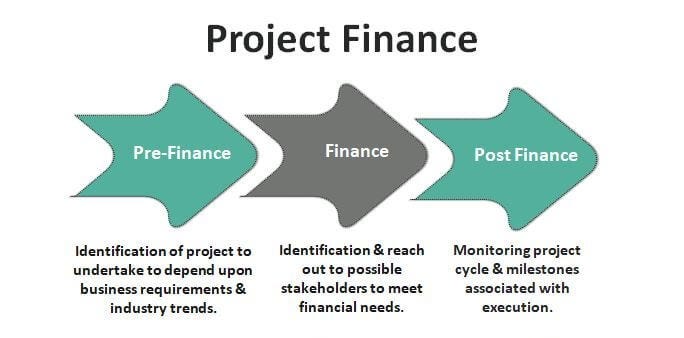
Journey of a Project
1. Developmental Phase
The developmental phase is the foundation of any infrastructure or large-scale project. It’s where the vision is born, plans are drawn, and risks are highest. No construction has begun, no revenue is generated, and yet, millions might already be invested in feasibility, legal paperwork, and stakeholder engagement.
Key Characteristics:
- High Risk: No guarantee of reaching construction. Land issues, policy changes, or financial viability can derail plans.
- No Revenue Yet: The asset doesn’t exist yet, making lenders cautious.
- Heavy on Documentation: Legal contracts, government approvals, financial models, and agreements dominate.
- Expert-Driven: Legal, financial, technical, and environmental experts play critical roles, especially in PPP or BOT projects.
Key Activities in Developmental Phase:
1. Project Identification
The project starts with an idea — a need identified by a sponsor or government entity.
- The sponsor proposes a commercially viable concept aligned with demand.
- Lenders evaluate:
- Is the sponsor financially and technically credible?
- Is the location suitable considering land, demand, and politics?
2. Feasibility Study
Consultants are hired to study if the project is viable — technically, financially, and environmentally.
- Demand Study: Forecast usage or traffic (airports, highways, etc.).
- Cost Estimates: Capex (initial investment) and Opex (ongoing costs).
- Regulatory: Environmental clearances, aviation permits, etc.
- Risk Mapping: Identification and mitigation of potential issues.
3. Contract Structuring & Finalization
Legal contracts are created to define roles, responsibilities, and financial arrangements.
- Power Purchase Agreement (PPA): Buyer guarantees purchase of output at a set price.
- EPC Contract: Contractor delivers the built asset on time and within budget.
- O&M Contract: Post-construction maintenance responsibilities.
- Concession Agreement: Government grants private player rights to build/operate the asset.
A legal contract between the government and developer. Grants rights to build, operate, and collect revenue for a defined period (e.g., 30 years) on a public asset like a road or metro.
4. Financial Modelling
Detailed financial projections are created to test viability.
- Revenue Forecast: Based on demand assumptions (e.g., toll traffic).
- Cost Projections: Includes Capex, Opex, taxes, interest.
- IRR (Internal Rate of Return): Measures project profitability.
- DSCR (Debt Service Coverage Ratio): Ensures the project generates enough to repay loans.
5. Due Diligence
Lenders hire independent experts to validate every claim before committing funds.
- Technical: Reviews project design, timelines, costs.
- Legal: Verifies land ownership, contracts, disputes.
- Environmental: Checks compliance with green norms and approvals.
6. Financing Structuring
Final financing structure is agreed upon between lenders and sponsors.
- Debt-to-Equity: Usually 70:30 or 75:25 ratio.
- Loan Tenure: Often 10–20 years.
- Repayment Terms: Includes grace periods during construction.
- Security: Mortgages, escrow accounts, DSRA to protect lenders.
- Covenants: Borrower must maintain ratios, seek approval before more debt, etc.
7. Financial Close
Formal agreements are signed. However, funds are released only after key preconditions are met.
- Before disbursement, sponsor must meet Conditions Precedent (CPs):
- Govt. approvals obtained
- Land possession secured
- Minimum equity invested
- All major contracts signed
Stakeholders Involved
- Sponsors: Corporates or entrepreneurs promoting the project.
- Lenders: Banks, NBFCs, DFIs funding debt portion.
- Contractors: Handle construction and O&M.
- Government: Provides land, permits, policy, and possibly VGF.
- Advisors: Consultants in finance, legal, ESG, and technology.
Outcome of this Phase
If successful, the project is legally clear, financially viable, and construction-ready. At this point, it transitions from an “on-paper” plan to a real, fundable, buildable infrastructure.