Finance Essentials

ACCOUNTING AS FINANCIAL INFORMATION SYSTEM:

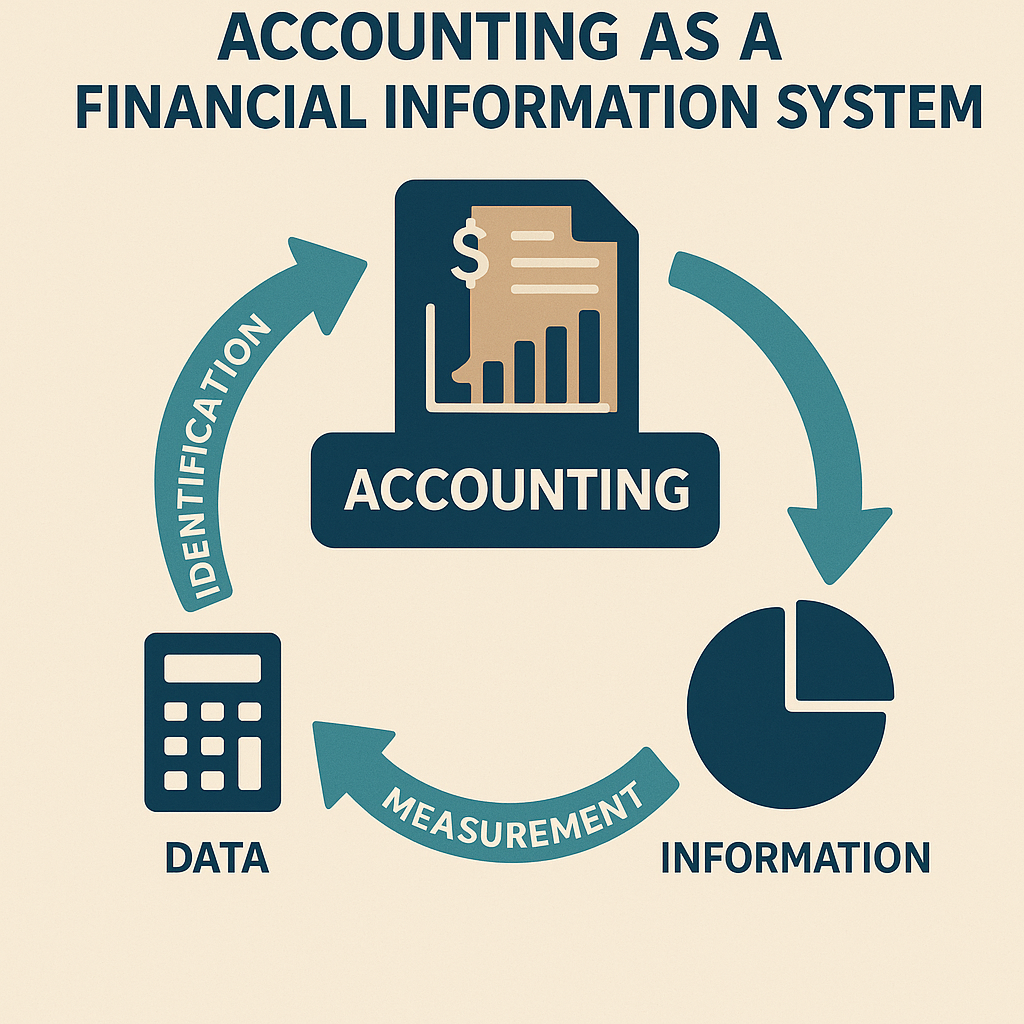
Objectives of Accounting Objectives of Accounting Systematic Recording of Transactions The fundamental objective of accounting is the systematic and chronological recording of financial transactions through proper book-keeping. These recorded entries are further classified and summarized logically to prepare financial statements and aid in analysis and interpretation. Ascertainment of Results Accounting helps determine the financial outcome […]

ACCOUNTING AS FINANCIAL INFORMATION SYSTEM: Read More »
NBFCs

Non-Banking Financial Companies (NBFCs) – Overview Non-Banking Financial Companies (NBFCs) What is an NBFC? A Non-Banking Financial Company (NBFC) is a company registered under the Companies Act, 2013 (or earlier Companies Act, 1956) engaged in the business of loans, advances, acquisition of stocks, bonds, debentures, or securities. NBFCs provide financial services similar to banks but

NBFCs Read More »

PRIORITY SECTOR LENDING

Priority Sector Lending (PSL) – RBI Guidelines Priority Sector Lending (PSL) – RBI Guidelines Objective Priority Sector Lending (PSL) aims to ensure that adequate institutional credit reaches sectors of the economy which impact large sections of the population, weaker sections, and are employment-intensive, such as agriculture and micro enterprises. Categories under Priority Sector Agriculture –

PRIORITY SECTOR LENDING Read More »

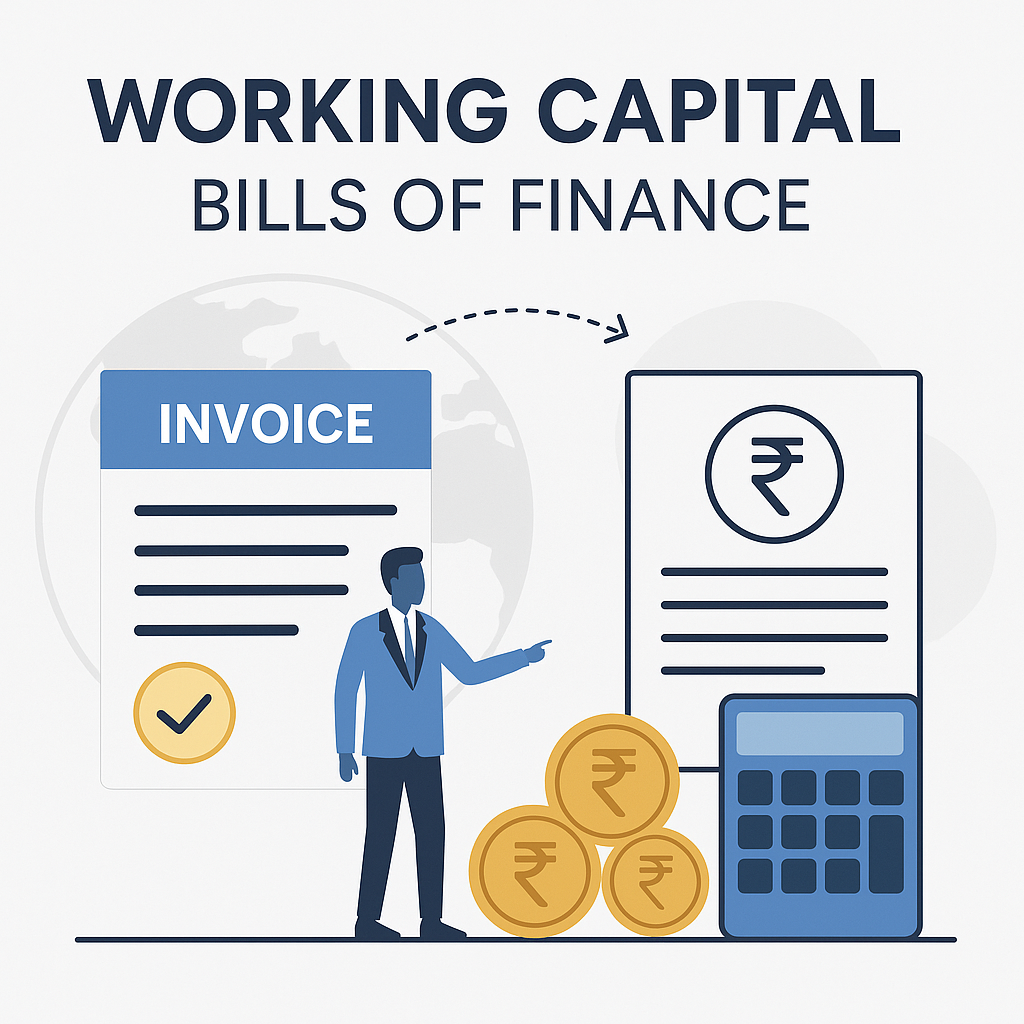
Working Capital Finance – Bills Finance

Working Capital Finance Working Capital Finance Definition Working Capital Finance refers to funding provided to businesses for managing their day-to-day operational expenses such as payment of wages, raw materials, electricity bills, rent, etc. It ensures that a company can maintain its liquidity and continue operations smoothly. Types of Working Capital Finance Cash Credit (CC): A

Working Capital Finance – Bills Finance Read More »

HOUSING FINANCE

Housing Loan Guidelines – Construction & Purchase Housing Loan Guidelines: Construction & Purchase of Dwelling Units Permissible Purposes for Home Loans Purchase or construction of a residential dwelling unit for self or family. Repair or renovation of damaged or old residential units. Purchase or construction of a second house for self-occupation or family use. Purchase

HOUSING FINANCE Read More »

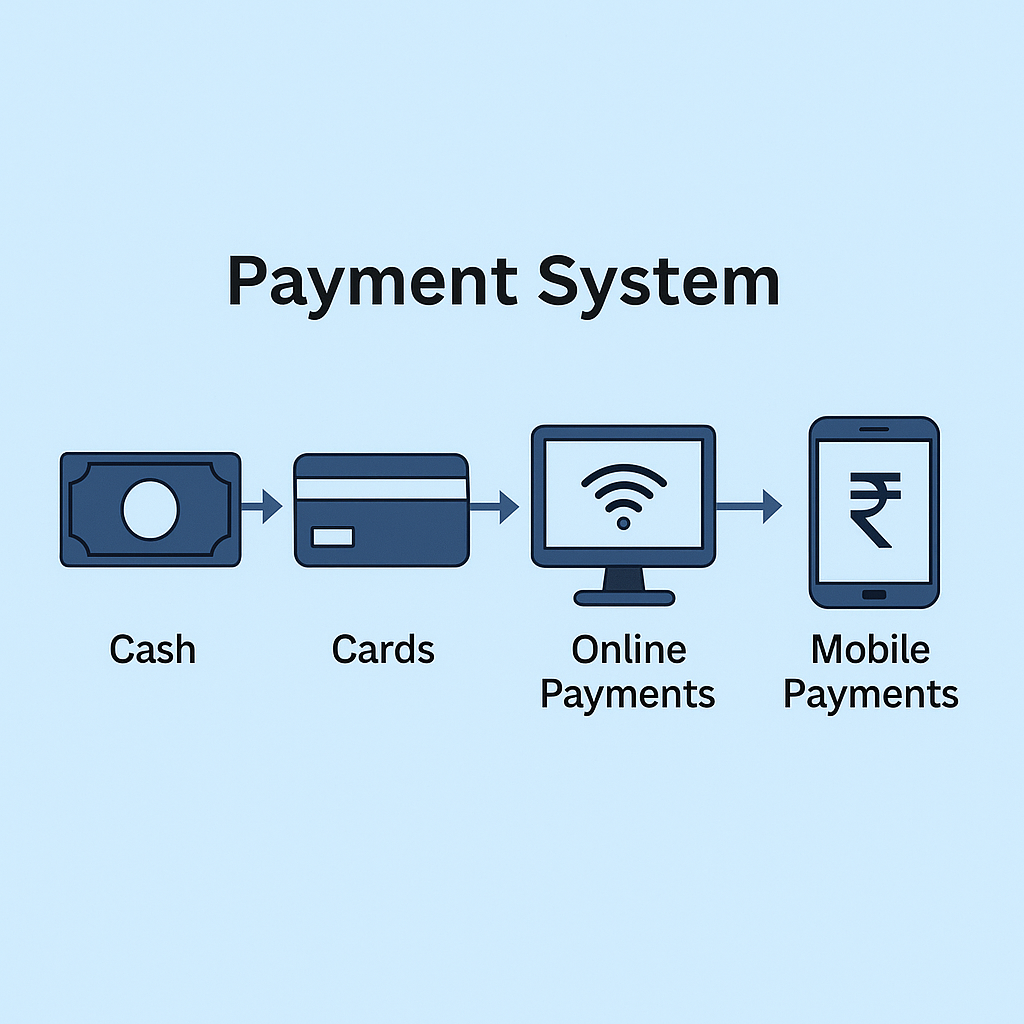
PAYMENT SYSTEM

Indian Payment Systems Overview Indian Payment Systems Overview Prepaid Payment Instruments (PPIs) PPIs are instruments that store monetary value and can be used to purchase goods, services, or transfer funds. These are regulated by the Reserve Bank of India (RBI) under the Payment and Settlement Systems Act, 2007. Types of PPIs: Small PPIs: Issued with

PAYMENT SYSTEM Read More »

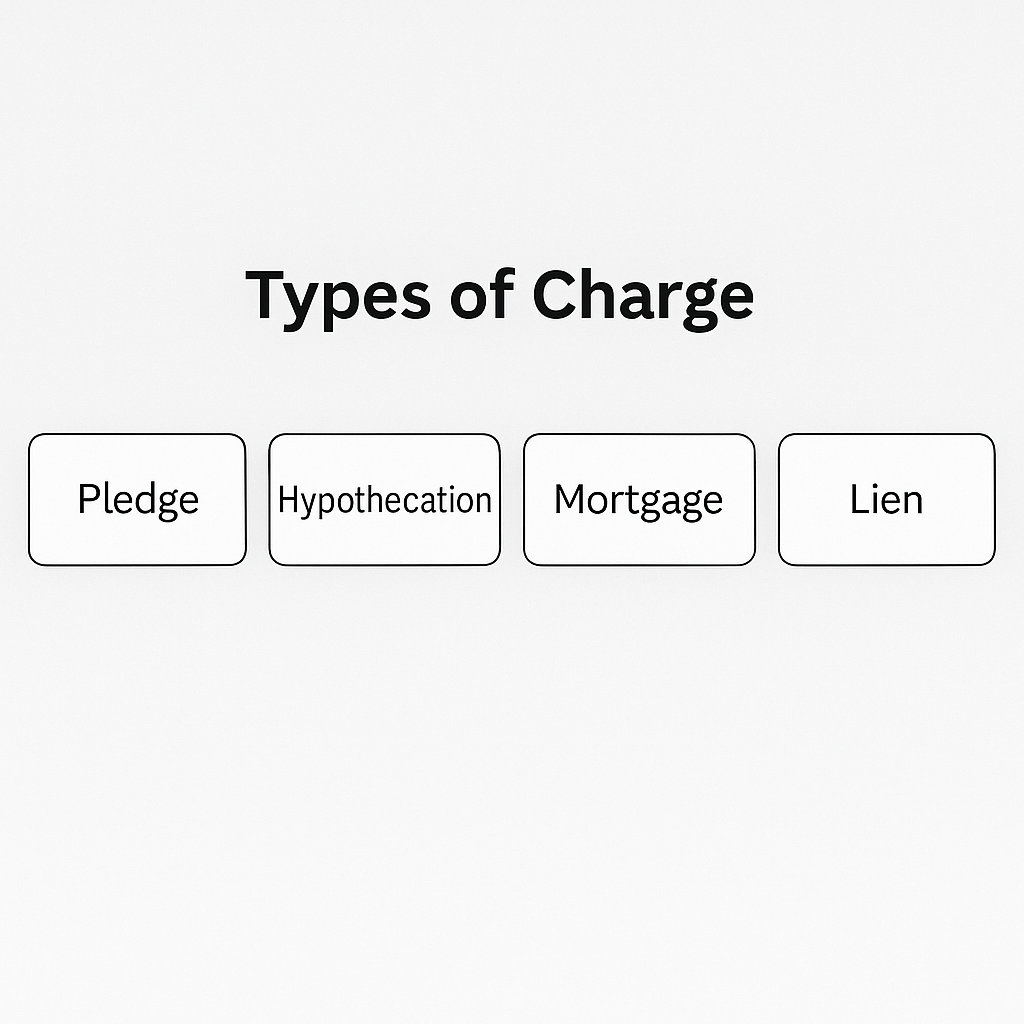
Types of CHARGES

Types of Charges under Companies Act, 2013 Types of Charges under Companies Act, 2013 Under Section 2(16) of the Companies Act, 2013, a charge is defined as “an interest or lien created on the property or assets of a company or any of its undertakings or both as security, and includes a mortgage.” Charges are

Types of CHARGES Read More »

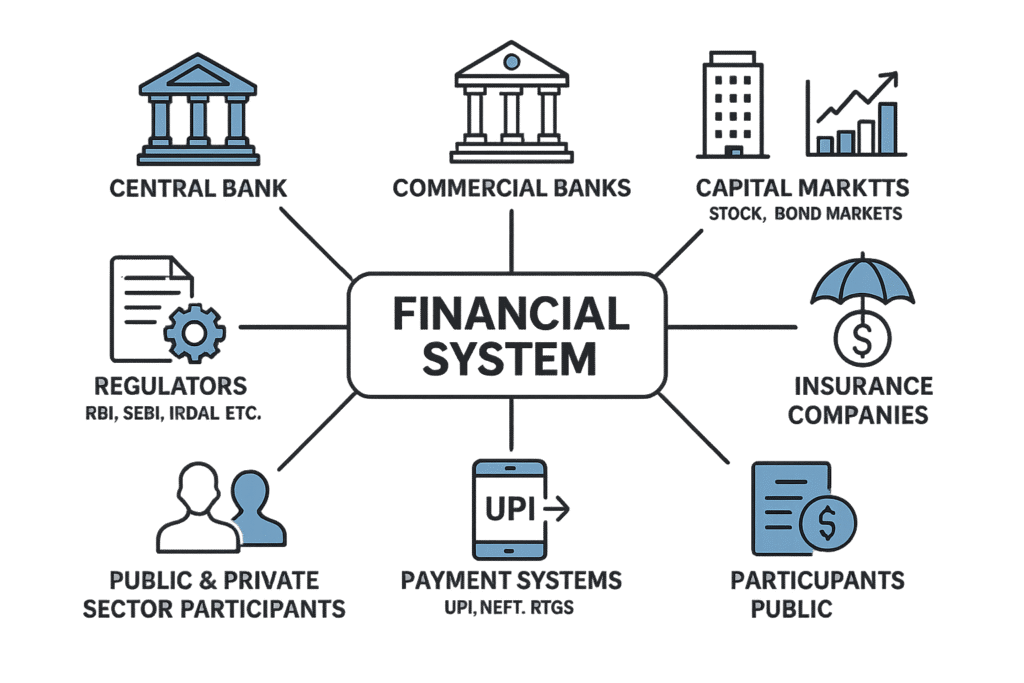
FINANCIAL SYSTEM

Indian Financial System Indian Financial System The Indian Financial System refers to a set of institutions, markets, instruments, services, and regulatory frameworks that facilitate financial transactions and promote economic growth. It plays a crucial role in mobilizing savings, allocating capital, managing risk, and enabling smooth payments in the economy. Key Insight: A well-functioning financial system

FINANCIAL SYSTEM Read More »

Payments Infrastructure Development Fund (PIDF) Scheme

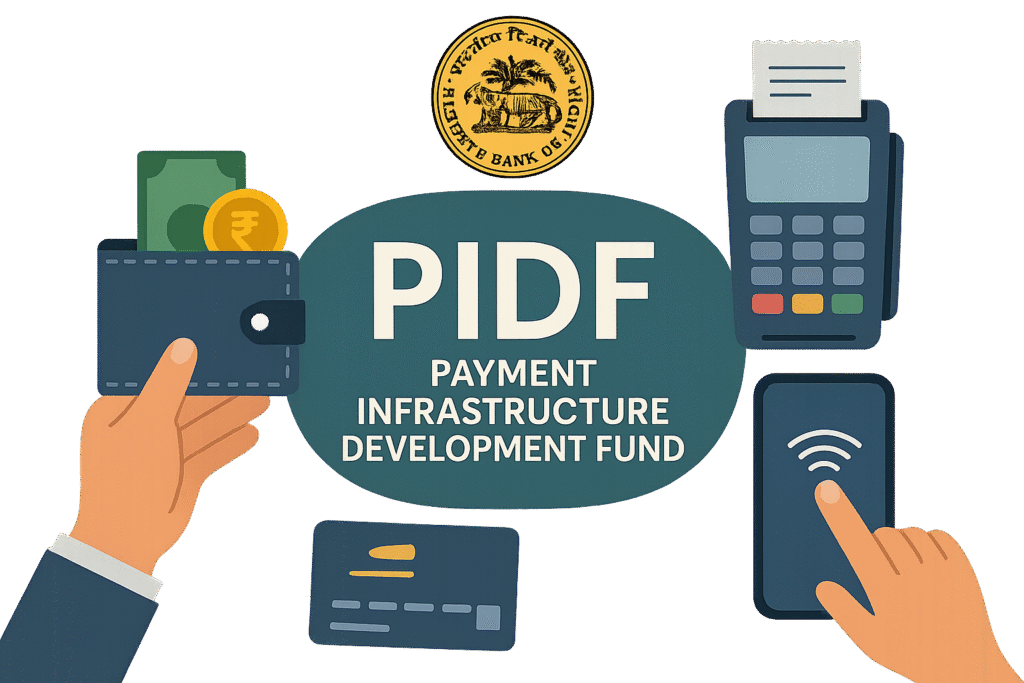
Payment Infrastructure Development Fund (PIDF) Scheme Payment Infrastructure Development Fund The Payment Infrastructure Development Fund (PIDF) was launched by the Reserve Bank of India (RBI) in January 2021. It aims to give a strategic boost to digital payments by incentivizing the deployment of physical and digital payment acceptance infrastructure in underbanked and rural areas across

Payments Infrastructure Development Fund (PIDF) Scheme Read More »

THE PAYMENT AND SETTLEMENT SYSTEMS ACT, 2007

Payment and Settlement Systems Act, 2007 Payment and Settlement Systems Act, 2007 The Payment and Settlement Systems Act, 2007 (PSSA) was introduced to regulate and supervise the rapidly evolving electronic payments ecosystem in India. With the growth of online banking, credit cards, UPI, and digital wallets, the RBI needed a legal framework to protect users

THE PAYMENT AND SETTLEMENT SYSTEMS ACT, 2007 Read More »

Smart Niveshak

Decode the markets. Make smart investment decisions with powerful tools, analysis & insights tailored for Indian investors.

Quick Links

Legal

Contact

Have questions or feedback?

Email us at:

smartniveshak999@gmail.com

Disclaimer

At Smart Niveshak, we believe finance doesn’t have to be confusing — we're here to help you make sense of markets and take charge of your money, one smart step at a time.Everything you see on this site — tools, blogs, insights — is shared purely to help you learn. We’re not SEBI-registered investment advisors, so we don’t offer personalized financial advice.If you’re planning to invest, it’s always a good idea to talk to a certified financial advisor who understands your unique goals and situation.Investing is a journey — there may be ups and downs, but with the right mindset and knowledge, you’re already ahead. Stay curious, stay cautious, and know that Smart Niveshak is here to guide you, not sell to you.

© 2025 Smart Niveshak. All rights reserved.